As a homeowner, it’s important to ensure that your home is safe for you and your family. If you live in a home built before the 1970s, there is a chance that there are materials containing asbestos in your home.
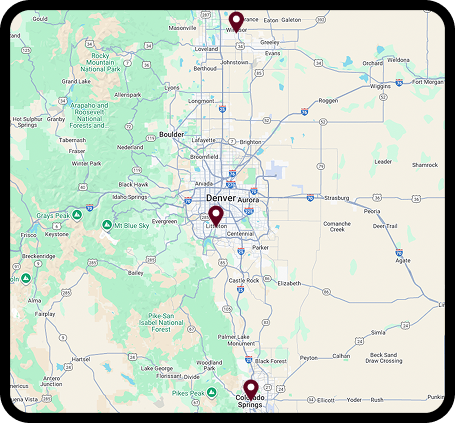
In today’s post, learn more about the basics of asbestos, where it was used, and what steps you should take if you find asbestos in your home. At All Phase Restoration in Denver, Colorado Springs, and Windsor, one of our top priorities is to keep homes safe and restored. Our expertly-trained team can help with the removal and disposal of asbestos and mold, in addition to our fire and water damage restoration services.
If you feel that you might have asbestos in your home, contact our team at All Phase Restoration for inspection and removal services today!
What Is Asbestos?
Asbestos is a mineral that is made up of flexible and soft fibers that are naturally resistant to electricity, heat, water, and chemicals. This mineral is composed of millions of fibers that bind together, creating a durable and virtually indestructible material.
The strength of this structure makes asbestos a good insulator. When it’s added to cloth, paper, and other textiles, it makes them stronger, leading to the use of asbestos in building and construction materials.
Where Is Asbestos in the Home?
Since asbestos is a strong, fire-resistant material, many building products in the mid and late 1900s were made using asbestos. This has led to many homes built before the 1970s containing materials with asbestos.
If you have an older home, see what materials you might have that contain asbestos.
Electrical Equipment
Asbestos was used for electrical equipment because of its resistance to heat and fire. In older homes, you can find asbestos in recessed lighting, electrical wires and cables, fuse boxes, and power outlets.
Appliances
Different appliances in your home can also contain asbestos due to its past popularity as an insulation. This means that asbestos could be found in refrigerators, freezers, stoves, dishwashers, dryers, and heaters. Smaller appliances, like curling irons and hair dryers, can also contain asbestos. But natural wear and tear on those older appliances can cause the insulation to fray, releasing asbestos fibers into the air.
House Exterior
Asbestos was also used to add protection to roofing and siding materials, increasing their durability and helping to fireproof your home. On the exterior of your house, asbestos can be found in roofing felt, shingles, window putty, cement siding, downspouts, roof gutters, deck undersheeting, and more.
House Interior
Just like with the exterior, insulation throughout the interior of your home used asbestos-containing materials for insulation. This means that you can find asbestos in pipe insulation, boiler and furnace insulation, cement board siding, flooring tile and other tiles, stipple-coated surfaces, and switches and outlets on the wall.
What Are the Health Risks of Asbestos?
You might be asking: if asbestos is a strong and heat-resistant material, why is it no longer used in materials?
While there were many benefits of using asbestos for building materials, it was later found that asbestos actually poses many serious health risks. When materials containing asbestos are disturbed, small fibers can get into the air and are breathed in by people living or working in those spaces.
It’s when asbestos is inhaled or becomes embedded in the tissues or organ linings that it can cause health issues. The needle-like structure of asbestos fibers makes it easier for them to embed, leading to irritation and other serious health problems, including cancer.
Long-term asbestos exposure increases the risk of different types of cancer, including mesothelioma, lung cancer, ovarian cancer, and laryngeal cancer. Studies have also found a correlation between asbestos and other cancers, including colon and breast cancer.
When these health risks were discovered in the 1970s and 80s, different regulations were made to discourage the use of asbestos. While asbestos has not been banned in the United States, research confirmed that negative health risks of asbestos exposure and different laws have been put in place to protect workers from exposure.
How Do You Safely Remove Asbestos in the Home?
Since asbestos poses many health risks, asbestos-containing materials must not be disturbed and must be safely removed from the home by certified technicians. In addition, those materials must be properly removed and destroyed to ensure they don’t cause further contamination.
That’s where our team of certified experts comes into play. At All Phase Restoration, we are here to help you inspect your home for asbestos and safely remove any material from your home. Our team of certified experts will also ensure that all materials containing asbestos are properly disposed of.
Get Mold, Fire, and Water Damage Restoration Services
If you are concerned about asbestos or any other potential environmental hazards in your home, work with our team of professionals at All Phase Restoration today. From asbestos and mold removal to fire and water damage restoration services, get professional help with your Denver, Colorado Springs, or Windsor home.
Our blog is a great resource to learn more about our restoration services and how to keep your home safe from any kind of damage. Take a look at some of our other blogs:
- Avoiding Repair & Restoration Scams — Pt. 1
- Your Roof and Water Damage: What to Watch For
- How the Fire Damage Restoration Process Works for Your Business or Home
- Emergency Fire Damage Restoration Tips (And What to Do After a Fire)