Every homeowner wants their home to feel safe. But when you’re at risk from certain environmental hazards, it’s important to take the proper steps to remove those hazards from your home.
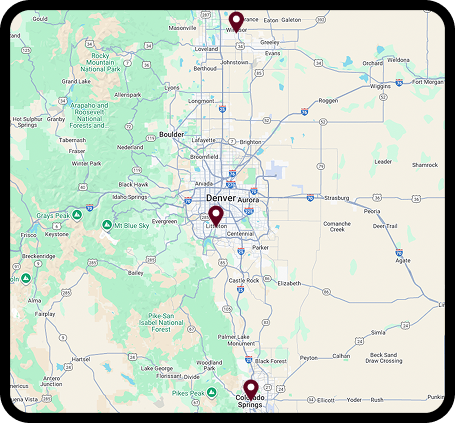
In addition, damage from fire and water can increase your home’s risk of having these different environmental hazards. In today’s blog, learn more about the different environmental hazards that may be in your home. Work with the experts at All Phase Restoration for your Denver, Colorado Springs, or Northern Colorado home!
Hidden Environmental Hazards in Your Home
There are things in your home that might seem safe or go unnoticed that can actually cause long-term damage to your home and your health.
Lead
In the 70s, lead was used in paint and other building materials. While this increased the drying time of paint and ensured its durability, it can be harmful over time. In fact, lead is a highly toxic metal that can cause different health problems like brain damage, kidney damage, and nerve damage. Work with a restoration team to handle the removal of materials containing lead from your home or business.
Mold
Mold can grow in your home from several causes, including previous water damage, leaky pipes, areas with built-up moisture, and standing water. Mold can also prevent a variety of health concerns if you, your family, or your employees are exposed to that mold for a long period of time.
If you are worried about mold in your home or discover mold during cleanup from water damage, contact our restoration company so we can safely remove and dispose of that mold.
Water Contamination
Gasoline, oil, chemicals, or other biohazards can get into the soil or groundwater, causing your water to become contaminated. When that happens, you want to make sure you find technicians who understand the techniques and equipment needed for proper bioremediation.
Asbestos
If your home was built before the 1980s, or you have materials or appliances from before then, do you know if those items contain asbestos? For years, asbestos was a common building material because it was strong, water-resistant, chemical-resistant, and made a great insulator. But when inhaled, asbestos can cause serious lung conditions, including cancer and asbestosis.
Since this building material is so dangerous, certain precautions need to be taken during the removal and disposal process. Instead of handling asbestos-containing materials yourself, use a trained and certified team to test, remove, and dispose of any asbestos in your home or building.
If you’re not sure what asbestos is and where it might be in your home, you can read through our previous blog to learn more: Asbestos, The Basics.
Cigarette Smoke
Smoke in general, whether from a fire or a cigarette, can leech into a home’s upholstery, walls, and flooring, leaving a lasting smell and lasting damage. In addition to penetrating the materials in your home, leftover cigarette smoke particles linger, known as thirdhand smoke, and can cause other health problems over time, like lung cancer. This means that cigarette smoke in a home or building can have dangerous effects if not properly cleaned and removed.
Hazardous Chemicals
Chemical spills or other hazardous materials that are not properly cleaned or disposed of can leave you and your family at risk. If you notice an unwanted smell or have a chemical spill that you can’t clean properly, work with a team that has experience working with different environmental hazards.
Fire & Water Damage Restoration Services
Don’t take risks when it comes to your health and potential environmental hazards in your home. Instead, contact All Phase Restoration in Denver, Colorado Springs, and Northern Colorado!
Have you looked at our other blog posts? Learn more about our restoration services and how you can reduce certain risks in your home:
- Mold Versus Water Damage
- Understanding Smoke Damage in Your Home
- Potential Fire Hazards in Your Garage
- Common Causes of Water Damage
- Steps to Take When You Experience Water Damage