No homeowner wants to find mold in their home. But water damage and other conditions can become the perfect environment for mold growth.
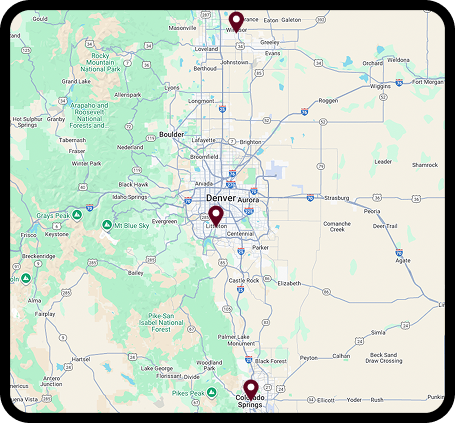
In today’s blog, learn about what you should do when you find mold in your home. Not sure if you have mold or want to talk to the experts? Contact our water damage restoration team at All Phase Restoration. We’re here to help up and down the Front Range.
Understanding the Signs and Types of Mold
There are different types of mold that your home could be affected by. Most indoor environments are at risk of having mold spores. When that mold starts to grow, it can become a bigger problem. But it also depends on the type of mold you have.
Some molds can pose serious health risks, while others might not cause any health problems. Either way, you want to make sure you can identify mold and get it properly removed from your home.
If you’re looking for signs of mold, check damp, dark areas in your home. These conditions make an environment where mold can thrive. If you’ve had water damage or a leak in your home, you’ll want to inspect around those areas as well.
As you inspect those areas, pay attention to any new odors. Does a space smell stale or musty? Also check the walls, ceiling, and floor for signs of spotting, staining, or furry growth. These can range in color from white and black to brighter yellows, red, oranges, and greens.
If you’re not noticing any signs of mold, that doesn’t mean mold isn’t present. Have you or anyone in your home experienced changes in health? This could include:
- Breathing problems or a cough
- Sneezing
- Running nose
- Dizziness
- Headaches
- Memory loss
All of these could be signs of a toxic mold in your home. Learn about some of the common types of mold you might find in your home.
How Mold Gets in Your Home
As a homeowner, the best solution to a mold problem would be to not have mold in the first place. So how does mold get in your home?
Mold spores are everywhere, both inside and outside. This means that those spores can enter your home through the air or by attaching to people or objects. If you have any pets in the home, they could be bringing in mold spores, along with you and your clothing and shoes.
But just because those mold spores come into your home does not mean that they will grow. The spores need a space to flourish and prefer damp and dark spaces, like an area with a leak or windows with condensation.
If you want to prevent mold growth in your home, make sure you have any leaks or flooding looked at by a water damage restoration team. You can also use a dehumidifier to help keep excess moisture from building up in your home.
If you’re still worried about preventing mold in your home, our mold experts at All Phase Restoration are here to talk! We can also schedule a mold test to check your home for mold.
Removing Mold From Your Home
Once you already have mold in your home, you want to make sure it’s properly removed and steps are taken to prevent growth in the future.
If you have hazardous mold — or are unsure what type of mold you have — don’t try to tackle the removal yourself! As trained water damage restoration specialists, we have experience working with mold, asbestos, and other environmental hazards. On top of that, we can help restore any part of your home damaged by water, hail, or flooding.
Prioritize your health and your home’s health, and schedule mold inspection and removal with All Phase Restoration today!
Get Water Damage Restoration in Denver
We hope that our blog post helped you better understand mold and your home. Whether you’re located in Northern or Southern Colorado or the Denver metro area, All Phase Restoration. Get what you deserve — call our team today!
To learn more about our services, like water damage restoration, hail repair, and more, read through some of our previous blog posts:
- Mold Versus Water Damage
- Understanding Smoke Damage in Your Home
- Common Causes of Water Damage
- Potential Fire Hazards in Your Garage
- Steps to Take When You Experience Water Damage